







As we enter the 5G era, the demand for high-speed interconnect cables is set to skyrocket. The introduction of 5G technology is revolutionizing the way we communicate, work, and live, offering faster speeds, lower latency, and more reliable connections. However, to fully realize the potential of 5G, the underlying infrastructure, particularly the cables that connect our devices, data centers, and networks, must evolve. This blog will explore the future of high-speed interconnect cables in the 5G era and how they will play a crucial role in shaping the next generation of connectivity.
The Growing Need for High-Speed Cables
The rollout of 5G networks promises data speeds up to 100 times faster than 4G, with latency reduced to mere milliseconds. This leap in performance is essential for supporting emerging technologies like autonomous vehicles, smart cities, virtual and augmented reality, and the massive expansion of the Internet of Things (IoT). However, achieving these capabilities requires more than just advanced wireless technology; it demands a robust wired infrastructure capable of handling unprecedented volumes of data.
High-speed interconnect cables are the backbone of this infrastructure, facilitating the rapid transmission of data between devices, data centers, and networks. As 5G technology becomes more widespread, the need for cables that can support higher bandwidths, faster data rates, and more reliable connections will become increasingly critical.
Advancements in Cable Technology
To meet the demands of the 5G era, significant advancements in cable technology are already underway. Traditional copper cables, while still in use, are gradually being replaced or supplemented by more advanced solutions that offer better performance:
Optical Fiber Cables: Optical fiber is the gold standard for high-speed data transmission. Capable of carrying data at speeds of up to 100 Gbps and beyond, optical fiber cables offer significantly lower latency and higher bandwidth compared to copper cables. As 5G networks expand, the deployment of optical fiber is expected to accelerate, particularly in data centers and for long-distance connections.
High-Frequency Coaxial Cables: For shorter distances, high-frequency coaxial cables are being developed to support the high data rates required by 5G technology. These cables are particularly useful in scenarios where optical fiber may not be practical or cost-effective, such as in-building connections and last-mile connectivity.
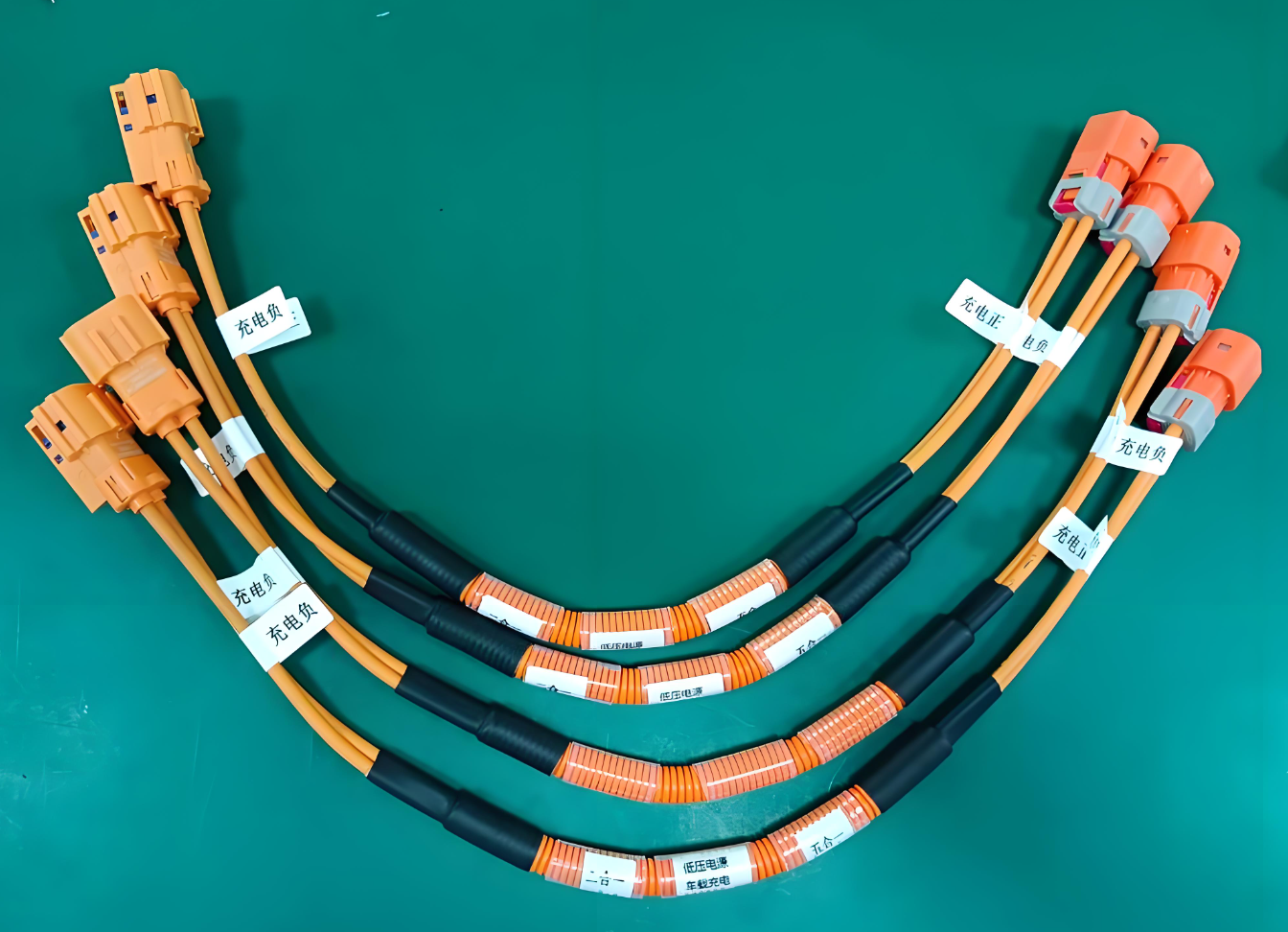
Hybrid Cables: Combining the strengths of both fiber optics and traditional copper, hybrid cables offer a versatile solution for various 5G applications. These cables can carry both power and data, making them ideal for use in areas where multiple connections are needed but space is limited.
Shielding and Insulation Improvements: As data rates increase, the risk of electromagnetic interference (EMI) becomes a significant concern. Advances in cable shielding and insulation technologies are helping to mitigate these risks, ensuring that high-speed cables can operate reliably even in environments with high levels of interference.
The Role of High-Speed Cables in 5G Applications
High-speed interconnect cables will be essential in enabling many of the most exciting 5G applications. For instance, in smart cities, these cables will facilitate the real-time exchange of data between sensors, control systems, and communication networks, enabling more efficient traffic management, energy distribution, and public safety operations.
In the realm of virtual and augmented reality, the low latency provided by high-speed cables will be crucial for delivering seamless, immersive experiences. Similarly, in industrial automation, these cables will support the high data rates and reliability needed for real-time control of machinery and systems.
As the 5G era unfolds, the demand for high-speed interconnect cables will continue to grow. These cables are not just passive components; they are critical enablers of the high-speed, low-latency, and reliable connections that define 5G technology. Through advancements in cable technology, the infrastructure that supports our increasingly connected world will become more capable, resilient, and efficient, paving the way for the transformative applications of the future.