




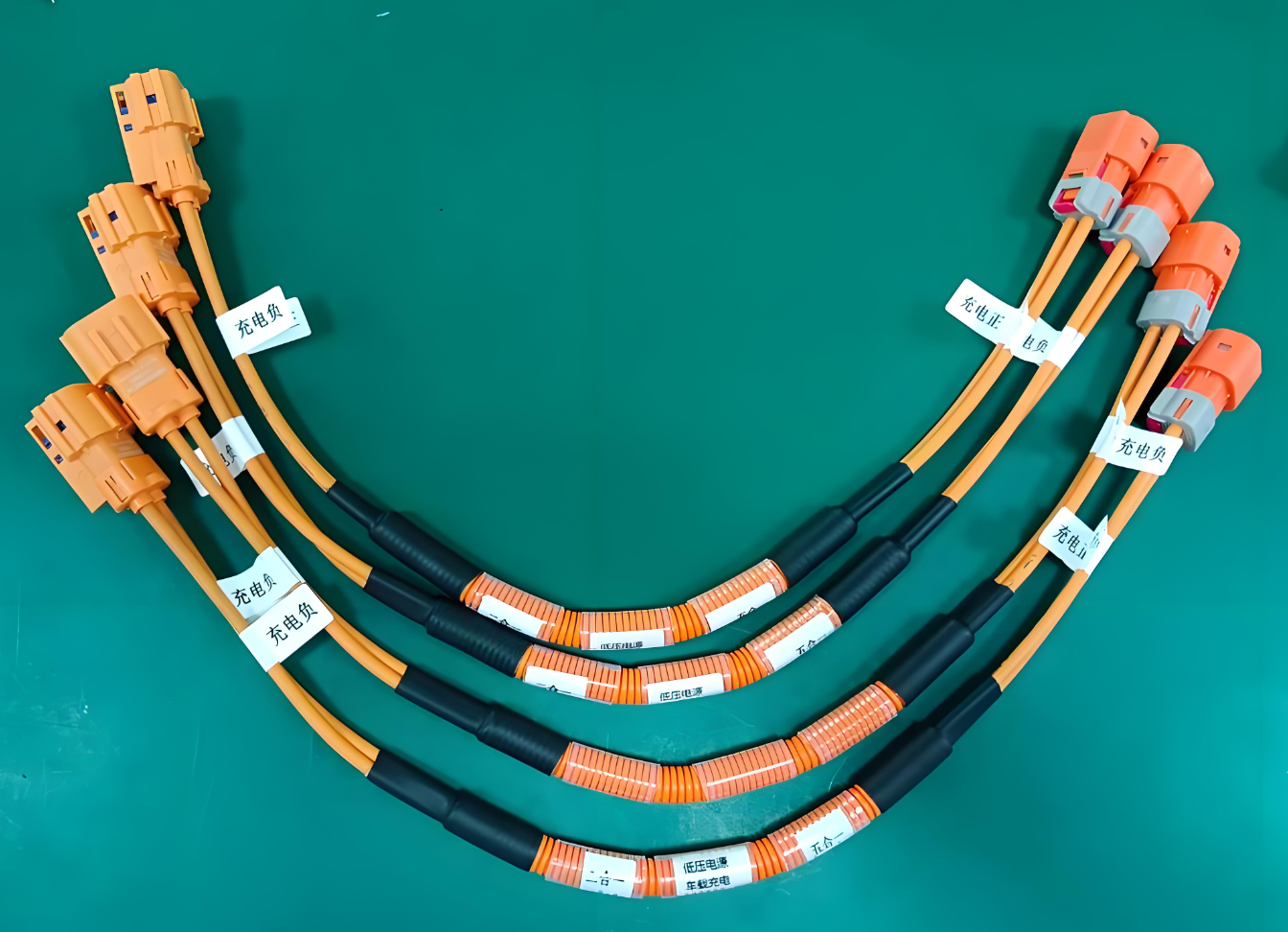




In the world of electronics and telecommunication, connectors play a critical role in ensuring reliable and efficient connections between various components. Whether it’s for data centers, industrial machinery, or consumer electronics, the performance of connectors directly impacts the overall system's functionality. To ensure connectors meet the necessary standards, a series of rigorous testing projects are conducted, focusing on various performance parameters. This blog will explore the key testing projects and the performance parameters crucial for evaluating connector quality.
1. Mechanical Testing
Mechanical testing is fundamental to assess the durability and reliability of connectors under physical stress. Key mechanical tests include:
Mating and Unmating Force: This test measures the force required to connect and disconnect the connector. It’s essential to ensure that the force is neither too high (which could damage the connector or make it difficult to use) nor too low (which could result in poor connectivity).
Vibration Testing: Connectors are often exposed to vibrations, especially in automotive and industrial applications. Vibration testing simulates the conditions under which connectors must maintain their integrity, ensuring they do not degrade or lose contact.
Insertion and Extraction Life Cycle: This test evaluates the durability of the connector by repeatedly inserting and removing it to simulate real-world usage over time. The connector must maintain its performance throughout its expected life cycle.
2. Environmental Testing
Environmental testing is crucial for assessing how connectors perform under various environmental conditions, ensuring they are suitable for their intended applications:
Temperature Cycling: Connectors are exposed to a range of temperatures, from extremely low to high, to evaluate how thermal expansion and contraction affect their performance. This test is critical for applications where connectors are exposed to fluctuating temperatures.
Humidity Resistance: This test assesses how well a connector can withstand moisture and prevent corrosion, which is vital for connectors used in outdoor or high-humidity environments.
Salt Spray Testing: For connectors used in maritime or coastal environments, salt spray testing evaluates their resistance to corrosion caused by salt-laden air, ensuring long-term reliability.
3. Electrical Testing
Electrical testing focuses on the connector's ability to maintain signal integrity and power transmission, which are crucial for their functionality in electronic systems:
Contact Resistance: This test measures the resistance between the contacts within a connector. Low contact resistance is essential for efficient electrical transmission, minimizing power loss and ensuring reliable connections.
Insulation Resistance: Insulation resistance testing evaluates the connector’s ability to prevent electrical current from leaking between contacts, which is crucial for avoiding short circuits and maintaining signal integrity.
Dielectric Withstanding Voltage: This test applies a high voltage to the connector to ensure it can withstand potential surges without breaking down or causing arcing, which is essential for safety and reliability.
4. Signal Integrity Testing
Signal integrity is critical, especially in high-speed data transmission applications. Tests in this category include:
Crosstalk Testing: Crosstalk refers to the unwanted transfer of signals between adjacent wires or connectors, leading to signal degradation. This test measures how well the connector prevents such interference.
Return Loss Testing: Return loss measures how much signal is reflected back toward the source due to impedance mismatches in the connector. A lower return loss indicates better performance, which is crucial for maintaining high-speed data transmission quality.
Insertion Loss: This test measures the amount of signal lost as it passes through the connector. Low insertion loss is vital for ensuring that the signal reaches its destination with minimal degradation.
Conclusion
Connector testing is a comprehensive process involving multiple testing projects to evaluate mechanical, environmental, electrical, and signal integrity performance parameters. Each test is designed to simulate real-world conditions, ensuring that connectors will perform reliably in their intended applications. By understanding and implementing these tests, manufacturers can ensure the production of high-quality connectors that meet industry standards and deliver optimal performance across various use cases.